Cybersecurity nowadays, is a global concern, as cyber threats and attacks transcend geographical boundaries and affect organisations and individuals worldwide.
It is a well known fact that some nation states employ hackers or sponsor cyber operations to achieve political, economic, or military objectives. These nation state-sponsored hacking activities are often referred to as “cyber espionage” or “cyber warfare.”
But that apart, the proliferation of global threat actors posing a threat to the digital infrastructure, warrants strong cooperation at different levels of countries and organisations and governments at large. Here are some of the measures that has been taking place globally and regionally :
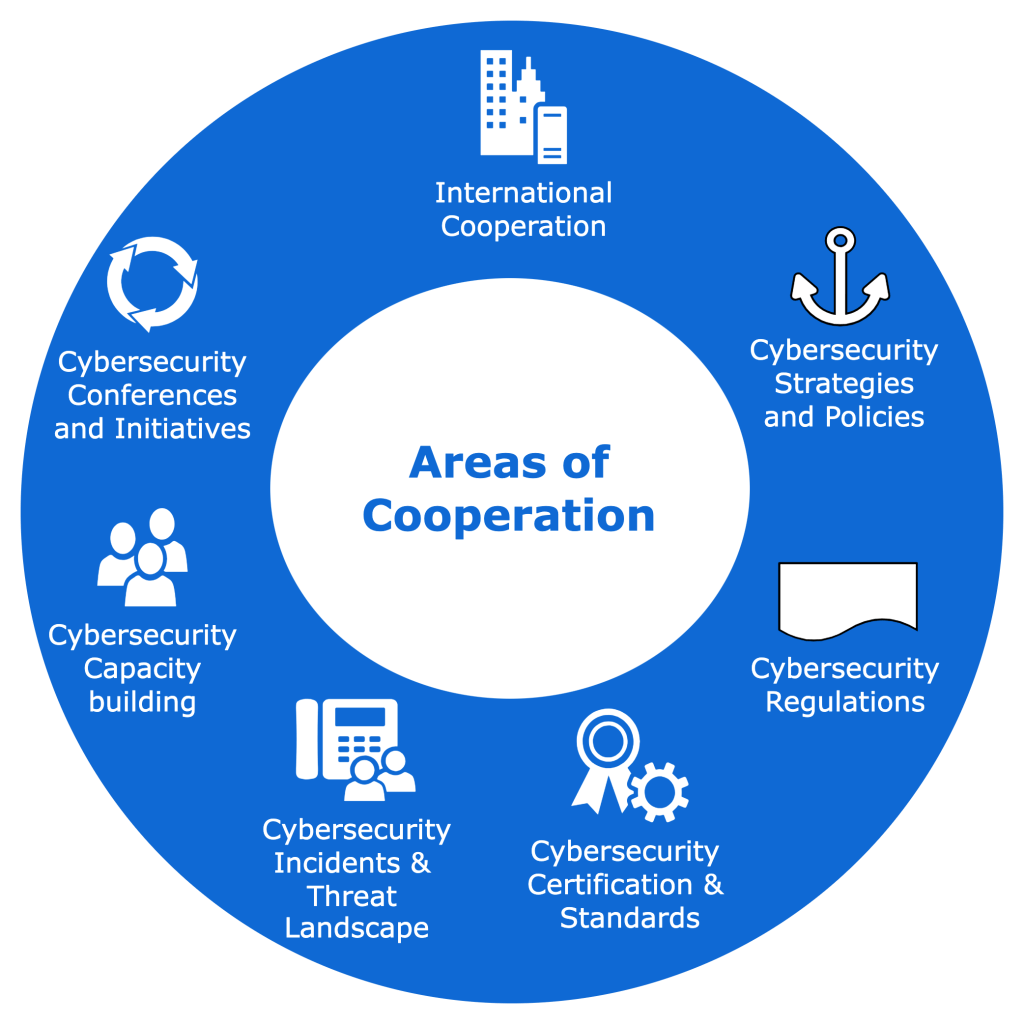
International Cooperation
Countries collaborate and share information on cyber threats, vulnerabilities, and best practices through various channels. International organizations, such as the United Nations (UN), International Telecommunication Union (ITU), and the International Criminal Police Organization (INTERPOL), facilitate global cooperation on cybersecurity initiatives, capacity building, and the development of norms and standards.
Cybersecurity Strategies and Policies
Governments around the world have developed national cybersecurity strategies and policies to address cyber threats and protect critical infrastructure. These strategies often involve a combination of regulatory frameworks, incident response plans, public-private partnerships, and awareness campaigns.
Cybersecurity Regulations
Countries have implemented cybersecurity regulations and laws to enforce data protection, privacy, and cybersecurity standards. Examples include the European Union’s General Data Protection Regulation (GDPR), the United States’ Cybersecurity Information Sharing Act (CISA), and Australia’s Privacy Act.
Cybersecurity Certifications and Standards
There are globally recognized cybersecurity certifications and standards that organizations can adopt to enhance their security posture. Examples include ISO/IEC 27001 for information security management, NIST Cybersecurity Framework, and PCI DSS for payment card industry security.
Cybersecurity Incidents and Threat Landscape
Cyber attacks occur worldwide, targeting organizations and individuals indiscriminately. The threat landscape includes various types of attacks, such as malware, phishing, ransomware, DDoS attacks, and nation-state-sponsored cyber espionage. The cooperation of CERTs takes place through various channels, including Trusted Information Sharing Networks and international organisations.
- CERTs participate in trusted international information sharing networks, such as the Forum of Incident Response and Security Teams (FIRST) and the Trusted Intercross Group (TIG).
- CERTs also collaborate through international organisations like the International Telecommunication Union (ITU), the United Nations Office on Drugs and Crime (UNODC), and the Organisation for Security and Cooperation in Europe (OSCE).
Cybersecurity Capacity Building
Countries invest in building cybersecurity capabilities, including training programs, cybersecurity education, research and development, and the establishment of cybersecurity centers and agencies. Capacity-building efforts aim to develop a skilled workforce, enhance incident response capabilities, and promote cybersecurity awareness.
Global Cybersecurity Conferences and Initiatives:
International conferences and events, such as the RSA Conference, Black Hat, and DEF CON, bring together cybersecurity professionals, researchers, and policymakers to share knowledge, present research, and discuss emerging threats and trends.

It’s important to note that the level of cybersecurity maturity and approach can differ among countries. Some countries may have more advanced cybersecurity frameworks and resources, while others are in the process of developing and strengthening their cybersecurity capabilities.
As the global nature of cyber threats requires collaborative efforts, countries must continue to work together to enhance cybersecurity practices, share threat intelligence, and establish norms to promote a secure and resilient digital environment.

 cyber Adventura
Leave a comment