In our earlier blogs, we have been talking about cybersecurity or information security , but it just can’t be contextualised if one doesn’t understand the overarching concept.
Thats where IT or Information Technology or OT or Operational Technology comes in. In our previous blog we have already explained what OT is. Now let’s explain IT.
But let’s add some fun to this topic !
Imagine you’re a superhero in the digital world, and information technology is the superpower realm !
Information technology (IT) is like your trusty utility belt filled with high-tech gadgets and abilities. It empowers you to navigate the digital realm and conquer any tech challenge.
Computers are like your sidekicks. They help you process information at super speed, store vast amounts of data, and communicate with the world.
The internet is like your superhero friends network. It connects you to other heroes (users) around the globe, allowing you to share knowledge, exchange messages, and collaborate on missions.
Cybersecurity is akin to your super shield. It protects you from the villains of the digital world, such as hackers, viruses, and data breaches.
Software applications are your superpowers. They equip you with specific abilities to accomplish tasks faster and more efficiently. Whether it’s creating graphics, editing videos, or organizing your superhero schedule, apps have got your back.
Cloud computing is like your super-secret lair. It’s a powerful remote server where you can store your data and access it from anywhere, just like a hidden base that houses all your crime-fighting tools.
Data analysis is your super detective skills. It helps you uncover valuable insights from massive amounts of information, enabling you to make informed decisions and solve mysteries.

IT support is your tech support team. They are like your loyal allies who provide assistance when you encounter tech troubles, ensuring that you can always rely on your superpowers.
Artificial Intelligence (AI) is like your super-genius partner. It learns from data, recognizes patterns, and helps you make predictions. Together, you form an unbeatable team.
IT infrastructure is like your superhero headquarters. It includes servers, networks, and hardware that support your digital operations. It’s the central hub where your powers are amplified.
So, as an IT superhero, you use your high-tech toolkit to navigate the digital world, defeat villains, and empower yourself and others with technology. Embrace your inner IT hero and let the digital adventures begin!
Now lets go one layer deeper.
Computer and other devices like laptop, mobile phones perform these activities through physical, hardware and software components.
But the main building block of IT is all about hardware and software.But what are they ?
Physical
Information technology relies on various physical components, including computers, servers, routers, switches, storage devices, and peripheral devices like printers and scanners. These physical devices form the foundation of IT systems and enable the processing and storage of data.
Hardware
Hardware refers to the internal components of a computer system or any other electronic device. It encompasses all the tangible parts that can be seen, touched, and manipulated. These components are responsible for the input, processing, storage, and output of data within a computer system.
Lets add some fun again
Imagine you’re at a big party, and the hardware is like the guests who make the party awesome!
The CPU (Central Processing Unit) is the party’s DJ. It’s responsible for keeping the music playing and making sure everyone has a great time on the dance floor.
Memory is like the drunk partygoers’ short-term memory. They remember the dance moves and party games just for the duration of the party. After that, it’s time to make new memories at the next party!
Storage devices are like the party’s coat check. They store everyone’s jackets and belongings so they can enjoy the party without worrying about them.
Input devices are like the party games and activities. They keep everyone entertained and engaged. Whether it’s a piñata or a karaoke machine, input devices bring the fun!
Output devices are like the party decorations. They create a vibrant and lively atmosphere. From colorful lights to confetti cannons, output devices make the party visually exciting.
The motherboard is like the party planner. It coordinates all the different aspects of the party, making sure everything runs smoothly.
The GPU (Graphics Processing Unit) is like the party’s face painter. It adds beautiful and eye-catching designs to people’s faces, making them look extra festive.
A network interface card is like the party’s social butterfly. It helps people connect with each other, share pictures and videos, and spread the party vibes beyond the venue.
The power supply unit is like the party’s energy source. It keeps the lights shining, the music playing, and the party going all night long.
So, just like a party needs all these fun-loving guests (hardware components) to create an unforgettable experience, a computer or any electronic device needs its hardware parts to work together and bring joy and excitement to our lives. It’s like throwing a never-ending party in the world of technology !
Software
Software refers to the programs and applications that run on computers and other digital devices. It includes operating systems like Windows or macOS, productivity software like Microsoft Office or Google Suite, specialised applications for specific tasks, and custom software developed for specific purposes.IT professionals develop and maintain software applications that perform specific tasks or provide services, such as productivity tools, mobile apps, or complex enterprise systems.
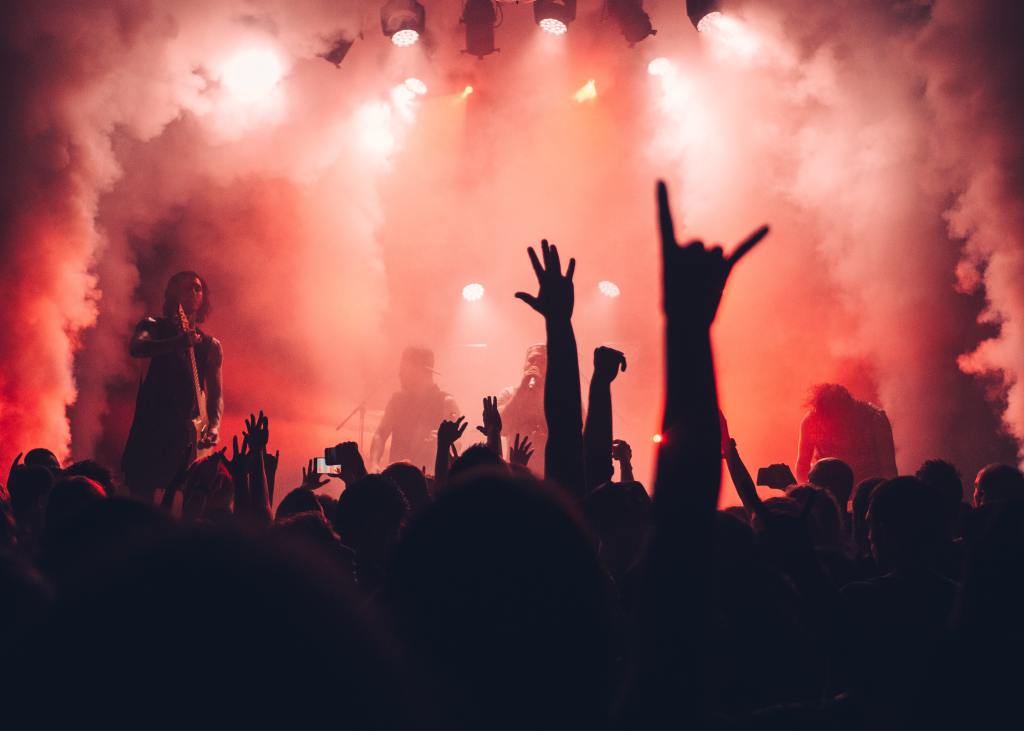
Software is like a digital latin dance party that makes your devices groove and move!
Think of software as the DJ who spins the beats and sets the party vibe. It’s the mastermind behind all the fun happening on your computer or device.
Each software program is like a dance routine. Some are smooth and elegant, while others are energetic and wild. They all have their unique moves to keep you entertained.
Just like dancers follow choreography, computers follow the instructions in software to perform tasks and create amazing experiences.
Operating systems are like the party planners. They organize and coordinate all the dance routines, ensuring everyone stays in sync and the party runs smoothly.
Applications, or “apps” for short, are like dance styles. You have salsa, bachata apps, rhythm games, video editors with special effects, and more. It’s like a diverse dance floor catering to everyone’s tastes.
Software updates are like dance lessons. They teach your devices new moves, fix any missteps, and keep the party fresh and exciting.
Compatibility is like finding the right dance partner. Software needs to work well with your specific device, just like dancers need to have good chemistry and coordination.
Debugging, or fixing software errors, is like a dance battle. You’re in a showdown with pesky bugs, trying to outmaneuver and outsmart them to keep the dance party going smoothly.
User interfaces are like the dance floor layouts and lighting. They create an inviting and intuitive environment, making it easy for you to join the digital dance party.
Open-source software is like a global dance community. It’s a place where talented choreographers share their moves, collaborate, and create a worldwide sensation.
So, whether it’s a gorgeous salsa, bachata or graceful tango , software is the pulsating rhythm that makes your devices groove and keeps the digital latin dance party alive! Let’s boogie with technology!
Fun apart, in conclusion, Information Technology (IT) stands as a pivotal force in reshaping industries, redefining customer experiences, and optimising business operations in today’s dynamic global landscape. As an essential enabler of innovation and growth, IT provides the potential to unlock tremendous value for organisations across sectors.
Thus IT and OT are the two overarching areas that need to be clearly understood in order to ensure cyber/information security good practices.

 cyber Adventura
Leave a comment